


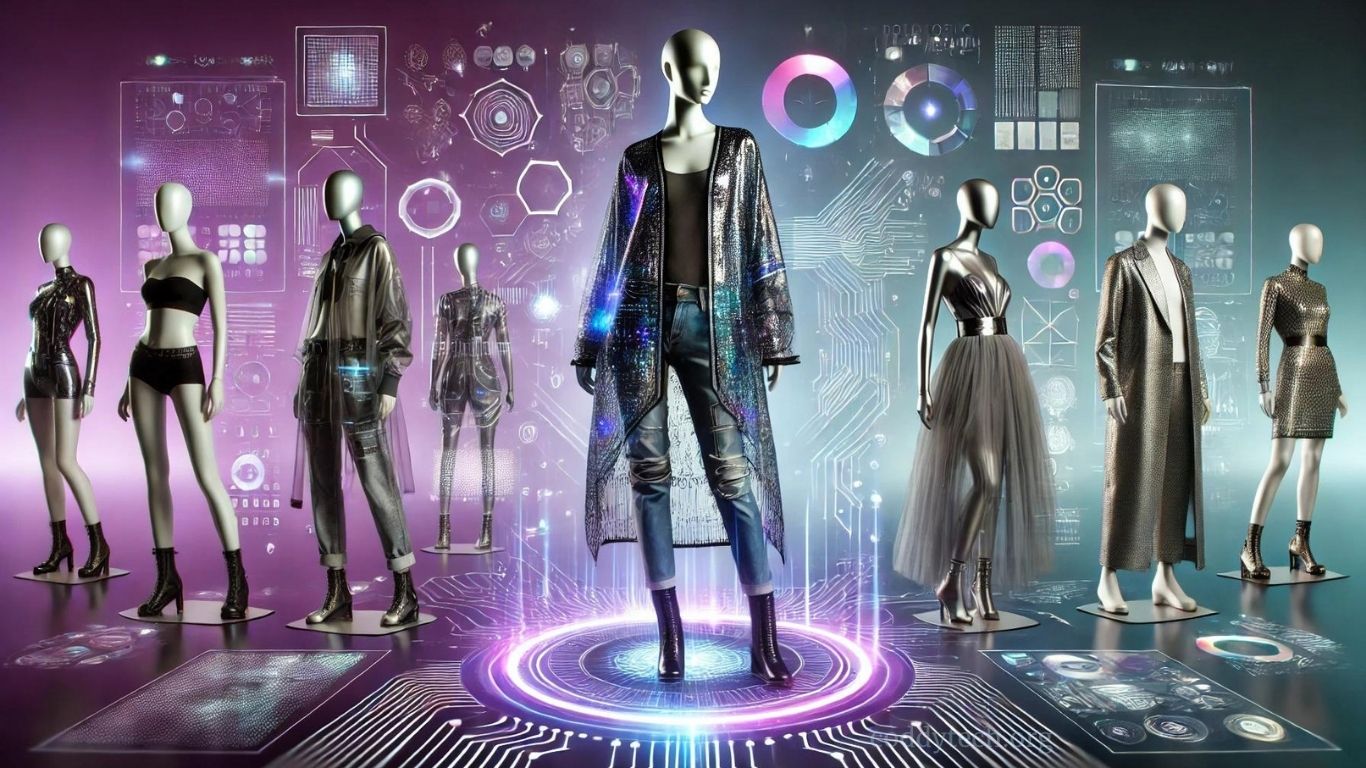
Fashion is no longer influenced only by seasonal collections, runway shows, and traditional retail. Technology has become one of the most powerful forces shaping the modern fashion industry. From artificial intelligence and virtual fitting rooms to smart fabrics, digital clothing, and 3D printing, technology is changing how fashion is designed, produced, marketed, purchased, and experienced.
Following fashion tech news is increasingly important for consumers, designers, retailers, and fashion businesses. New technologies are making fashion more personalized, interactive, efficient, and potentially more sustainable. At the same time, these developments are creating important conversations about privacy, creativity, employment, and responsible technology.
What Is Fashion Technology?
Fashion technology, commonly known as fashion tech, refers to the use of modern digital and technological solutions throughout the fashion industry. It includes artificial intelligence, augmented reality, virtual reality, wearable technology, smart textiles, 3D printing, data analytics, robotics, and other emerging technologies.
These innovations can influence almost every stage of the fashion process. Designers can use digital software to develop concepts, manufacturers can use automation to improve production, retailers can analyze customer behavior, and shoppers can use digital tools to find products that better match their style and preferences.As technology develops, fashion tech is becoming less about futuristic concepts and more about practical solutions that consumers and businesses can use today.
Artificial Intelligence Is Transforming Fashion Design
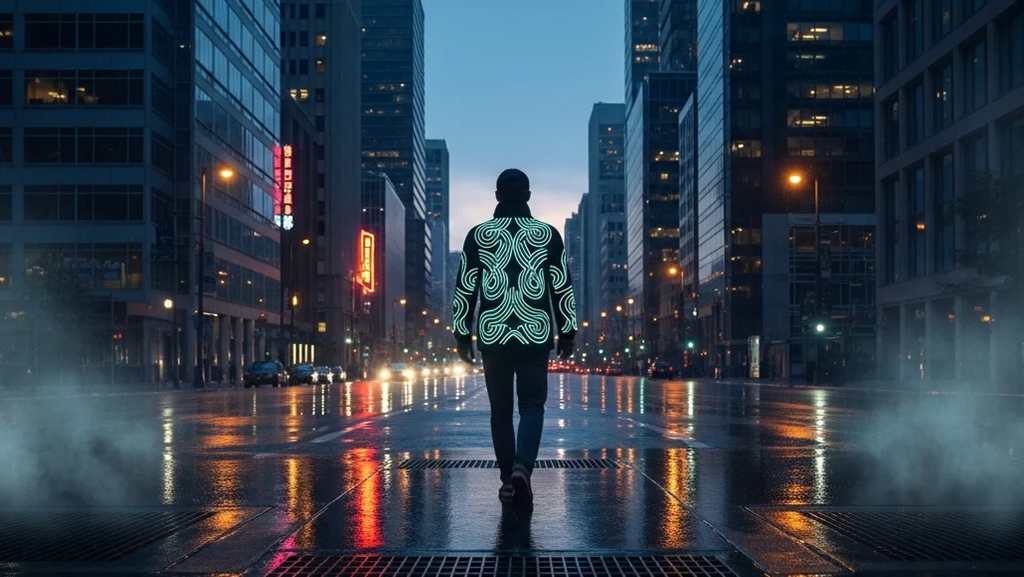
Artificial intelligence is one of the most important developments in current fashion technology. Fashion companies are increasingly using AI to analyze trends, understand customer preferences, generate design concepts, manage inventory, and improve marketing strategies.AI systems can process large amounts of information from online searches, social media, sales data, and customer behavior. This allows fashion businesses to identify patterns that may indicate emerging trends.
Generative AI is also becoming useful during the design process. Designers can use AI-assisted tools to explore different colors, patterns, materials, silhouettes, and visual concepts before creating a final product. Rather than completely replacing human creativity, AI can act as a supporting tool that helps designers experiment more quickly.
Virtual Fitting Rooms Are Changing Online Shopping
One of the biggest challenges in online fashion shopping is finding the right size and fit. Customers cannot physically try clothing before purchasing it, which can lead to disappointment and product returns.Virtual fitting room technology is designed to reduce this problem. Artificial intelligence, computer vision, body measurements, and augmented reality can be combined to help shoppers understand how a product might look or fit.
Some virtual fitting systems allow users to upload photographs or provide measurements, while others use smartphone cameras to create a digital representation of the shopper. As this technology improves, virtual fitting rooms could become a more common feature of online fashion stores.
Read More: Cybersecurity Awareness
Augmented Reality Creates Interactive Fashion Experiences
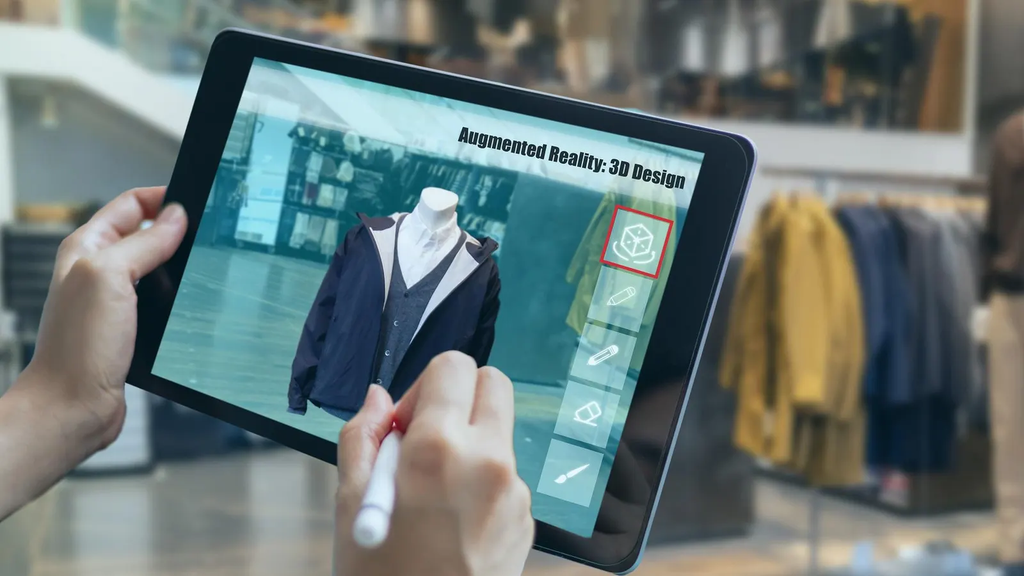
Augmented reality, or AR, allows digital information and objects to appear within a user’s physical environment. In the fashion industry, AR can be used for virtual try-ons, product demonstrations, styling tools, and interactive shopping experiences.
A customer might use a smartphone camera to see how a pair of glasses looks on their face or experiment with different accessories before purchasing them. Fashion retailers can also use AR to provide additional product information or create interactive experiences inside physical stores.This technology helps connect traditional shopping with digital experiences and gives customers more opportunities to explore products before making purchasing decisions.
Smart Clothing and Wearable Technology
Smart clothing is another major area of fashion technology. Unlike conventional garments, smart clothing can include sensors, electronic components, or specialized materials that provide additional functionality.Smart garments can potentially monitor movement, temperature, activity, or other types of information. Sports and fitness companies are particularly interested in this technology because connected clothing could help athletes understand their performance.
Wearable technology also includes smartwatches, fitness trackers, connected accessories, and other products that combine technology with fashion. The major challenge is creating technology that remains comfortable, attractive, durable, and practical for everyday use.
Smart Fabrics Could Change Everyday Clothing
Smart textiles are advanced materials designed to respond to environmental conditions or interact with technology. Some smart fabrics can react to temperature, moisture, movement, or light.Researchers and fashion companies are exploring materials that could regulate body temperature, monitor physical activity, or integrate electronic functionality without making clothing uncomfortable.
In the future, smart clothing could potentially respond automatically to changes in the surrounding environment. A garment might provide increased ventilation during warm conditions or additional protection when temperatures fall.Although many smart textile applications are still developing, the technology has significant potential to influence the future of everyday clothing.
3D Printing Is Creating New Fashion Possibilities
Three-dimensional printing is providing fashion designers with new ways to create garments, shoes, jewelry, accessories, and experimental products. Instead of producing an object using traditional cutting and manufacturing processes, a 3D printer can create certain structures layer by layer.One major advantage of 3D printing is design flexibility. Designers can experiment with complex shapes and structures that may be difficult to manufacture using conventional techniques.
Customization is another important possibility. In the future, consumers may be able to order products designed around their individual measurements, potentially creating a more personalized fashion experience.
Fashion Technology and Sustainability
Sustainability has become an important issue across the fashion industry, and technology may help businesses reduce waste and use resources more efficiently.Digital design tools allow designers to test concepts and make changes before creating physical samples. This can reduce unnecessary prototypes and materials during the development process.
Artificial intelligence can also help fashion companies forecast demand. Better predictions may allow businesses to produce quantities that more closely match consumer demand, reducing excess inventory and waste.Digital tracking systems can also provide greater visibility into supply chains. Companies may be able to monitor where materials originate, how products are manufactured, and how items move through different stages of distribution.
However, technology itself has an environmental cost. Electronic devices, data centers, manufacturing equipment, and digital infrastructure consume energy and resources. Fashion companies therefore need to consider the complete environmental impact of technological solutions.
Digital Fashion Is Creating a New Industry
Digital fashion refers to clothing and accessories that exist primarily in virtual environments. These products can be designed for avatars, video games, social media content, virtual events, and digital communities.
Unlike physical garments, digital clothing does not require traditional fabric, physical production, or shipping. Designers can experiment with unusual shapes, colors, and materials that may be difficult or impossible to create in the physical world.As virtual environments and digital identities become more popular, digital fashion could become an increasingly important part of the fashion industry. Brands may use virtual garments to connect with younger digital audiences and create new forms of fashion marketing.
Fashion Retail Is Becoming More Personalized
Personalization is another major trend in fashion technology. Online retailers can use artificial intelligence and customer data to recommend products based on browsing behavior, previous purchases, preferences, and interactions.Instead of presenting identical shopping experiences to every visitor, digital fashion platforms can customize recommendations for individual users. A customer might receive suggestions for clothing, accessories, colors, or styles that match their previous interests.
Advanced systems may eventually consider additional factors such as weather, location, upcoming occasions, and existing items in a customer’s wardrobe. This could make online shopping more convenient while helping retailers improve customer engagement.
Robotics and Automation in Fashion Manufacturing
Robotics and automation are increasingly being used in fashion manufacturing and logistics. Automated systems can assist with repetitive manufacturing tasks, material handling, packaging, warehouse operations, and other processes.
Automation can improve consistency and potentially reduce production time for certain tasks. However, completely automating garment production remains challenging because fabrics are flexible and can behave unpredictably during manufacturing.For this reason, the future of fashion manufacturing is likely to involve collaboration between human workers, specialized machinery, robotics, and artificial intelligence rather than complete automation in every production process.
Blockchain Can Improve Fashion Transparency
Blockchain technology has attracted interest from fashion companies because of its potential applications in authentication, product tracking, and supply-chain transparency.Luxury brands have a particular interest in authentication because customers want confidence that expensive products are genuine. Digital records can potentially provide information about an item’s origin, ownership, or history.
Blockchain may also support digital product passports that provide information about materials, manufacturing processes, repairs, and recycling. While widespread adoption is still developing, transparency and product authentication remain important areas for fashion technology.
Social Media and Fashion Technology
Social media has become deeply connected to modern fashion technology. Fashion brands can use social platforms to launch products, communicate with customers, work with creators, and identify emerging trends.Technology can help brands analyze social media discussions and engagement to understand what consumers are interested in. This information can influence product development and marketing decisions.
Virtual influencers and AI-generated fashion content are also creating new possibilities. Brands can experiment with digital characters, computer-generated environments, and AI-assisted campaigns. At the same time, these developments raise questions about authenticity, originality, and the changing role of human creators.
Data and Personalization in Modern Fashion
Data has become one of the most valuable resources in modern fashion retail. Every online interaction can potentially provide information about customer preferences and shopping behavior.Fashion businesses can analyze this information to understand which products attract attention, which styles perform well, and where customers leave the purchasing process.When used responsibly, data-driven technology can create better shopping experiences. However, companies must protect customer information and be transparent about how personal data is collected and used.
Challenges Facing Fashion Technology
Despite its many advantages, fashion technology also presents several challenges. Privacy is an important concern because personalized shopping systems may rely on large amounts of customer information.Artificial intelligence creates additional questions about copyright, originality, and creative ownership. Designers and companies must determine how AI-generated content should be used while respecting human creativity and intellectual property.
Cost can also be a barrier. Advanced technologies may require significant investment, making adoption more difficult for smaller fashion businesses.There are also environmental concerns. Digital systems, electronic devices, manufacturing technologies, and computing infrastructure require energy and resources. Responsible innovation therefore requires companies to consider both the benefits and potential environmental costs of new technology.
The Future of Fashion Technology
The future of fashion technology will likely involve deeper integration between physical products and digital experiences. Clothing may become more personalized, connected, interactive, and adaptable.Artificial intelligence could become a standard tool for fashion design, trend analysis, customer service, and inventory management. Virtual fitting technology may become more accurate, helping customers make better purchasing decisions and potentially reducing returns.
Smart fabrics could become more affordable and practical, while digital fashion may continue growing through gaming, social media, virtual environments, and digital identities.The most successful technologies will probably be those that solve genuine problems for consumers and businesses rather than simply adding technology for novelty.
Why Fashion Tech News Matters
Following fashion tech news is important because technology is changing much more than the appearance of clothing. It is influencing how products are designed, manufactured, marketed, sold, and experienced.
For consumers, fashion technology can provide more personalized shopping experiences and innovative products. For designers, digital tools can expand creative possibilities and speed up experimentation. For businesses, technology can improve efficiency, demand forecasting, customer engagement, and supply-chain management.Understanding these developments can help people recognize which fashion technologies are likely to become mainstream and which remain experimental.
Frequently Asked Questions
What is fashion tech news?
Fashion tech news covers the latest developments where fashion and technology meet. It includes innovations such as artificial intelligence, smart clothing, virtual fitting rooms, augmented reality, wearable technology, digital fashion, and 3D printing.
How is AI changing the fashion industry?
AI is helping fashion brands analyze trends, understand customer preferences, create design concepts, forecast demand, personalize shopping experiences, and improve inventory management. It is becoming an important tool for both designers and retailers.
What is smart clothing?
Smart clothing refers to garments that use sensors, electronic components, or advanced materials to provide additional functionality. Depending on the technology, smart clothing can monitor movement, temperature, activity, or other types of information.
How does virtual fitting technology work?
Virtual fitting technology uses tools such as artificial intelligence, computer vision, augmented reality, photographs, or body measurements to help shoppers visualize how clothing may look or fit before purchasing it online.
What is digital fashion?
Digital fashion consists of clothing and accessories created primarily for virtual environments. Digital garments can be used for avatars, gaming, social media, virtual events, and other online experiences without requiring physical manufacturing.
Conclusion
Fashion technology is transforming an industry traditionally built around creativity, craftsmanship, culture, and changing consumer preferences. Artificial intelligence, augmented reality, virtual fitting rooms, smart fabrics, wearable technology, 3D printing, robotics, blockchain, and digital fashion are creating new opportunities throughout the fashion ecosystem.
The continuing growth of fashion tech news shows that the relationship between fashion and technology is still evolving. As innovative tools become more accessible, they are likely to influence everyday fashion and not just major international brands.The future of fashion will not simply be about what people wear. It will increasingly be about how technology helps people design, discover, personalize, purchase, experience, and interact with fashion.

1 Comment
Pingback: Artificial Intelligence Development Services: Business Guide