


Artificial intelligence is rapidly transforming the way people work, communicate, and use technology. From smart assistants and recommendation systems to machine learning applications and generative AI, intelligent technologies are now being used across a wide range of industries. As demand for AI-powered solutions continues to grow, an artificial intelligence degree has become an increasingly popular choice for students interested in technology and innovation.
An AI degree provides a strong foundation in programming, machine learning, data analysis, mathematics, and computer science. It can also help students develop practical skills for building and working with intelligent systems. In this guide, we’ll explore AI degree courses, common subjects, career opportunities, essential skills, and the future scope of artificial intelligence.
What Is Artificial Intelligence?
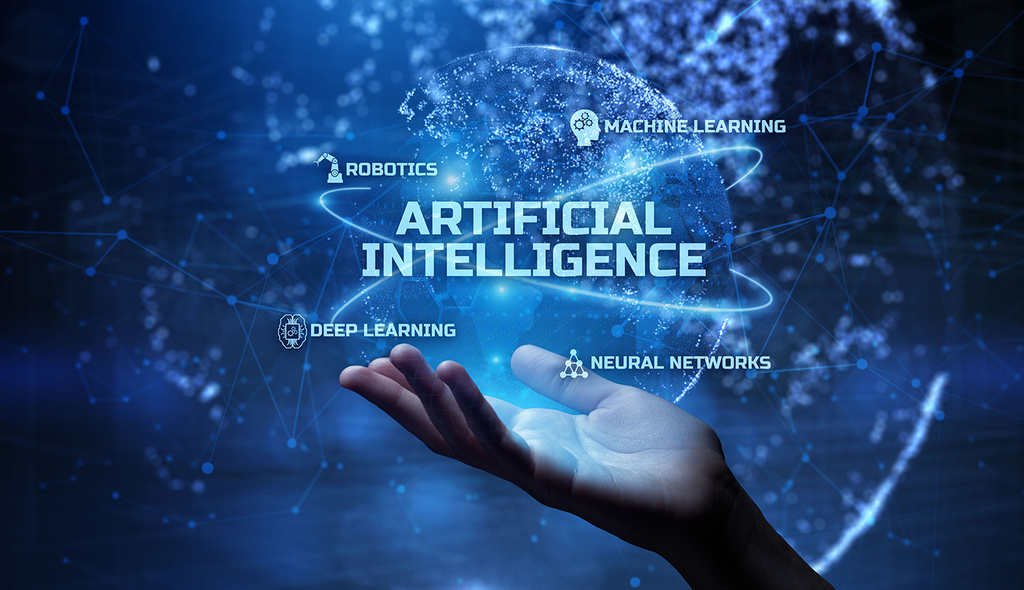
Artificial intelligence, commonly known as AI, refers to technology that enables computers and software to perform tasks that normally require human intelligence. These tasks can include understanding information, solving problems, recognizing patterns, making decisions, processing language, and creating different types of content.
Modern AI systems can process and learn from enormous amounts of data. Through machine learning, these systems identify patterns within the information they receive and use those patterns to improve their performance. Instead of requiring humans to program every possible response, machine learning allows computers to learn from examples, training data, and feedback.
Today, artificial intelligence is used in many areas of everyday life and business. It can help financial institutions detect unusual transactions, support healthcare professionals in analyzing medical information, power navigation and autonomous driving technologies, and assist with writing, image generation, software development, and other creative tasks.
As AI technology continues to evolve and become part of more industries, understanding artificial intelligence can provide valuable knowledge for students planning careers in technology. An AI degree can help develop the programming, analytical, and problem-solving skills needed to work with this rapidly changing field.
Example Modules on an AI Degree
So, what can you expect to study during an artificial intelligence degree? The exact curriculum will vary depending on the university, course structure, and level of study. However, most AI programs cover several core areas that help students build a strong foundation in computing, mathematics, programming, and intelligent technologies.
Computer Science Fundamentals
![[Featured image] A person wearing glasses stands over a robotics work table staring at their laptop.](https://d3njjcbhbojbot.cloudfront.net/api/utilities/v1/imageproxy/https://images.ctfassets.net/wp1lcwdav1p1/2Z03waHicihEYbImIXoBOZ/0e7c5542975c008d5e6ef99713b4766b/iStock-996179448-converted-from-jpg.webp?w=1500&h=680&q=60&fit=fill&f=faces&fm=jpg&fl=progressive&auto=format%2Ccompress&dpr=1&w=1000)
Most AI degrees begin with fundamental computer science concepts. Students learn how computers work, how software is developed, and how computational problems can be approached using logical and systematic methods. These basics provide the foundation for more advanced AI subjects later in the program.
Computer Hardware and Operating Systems
Students may also study computer hardware and operating systems to understand how computing devices function. This can include learning about processors, memory, storage, operating system architecture, and how software interacts with hardware resources.
Cybersecurity and Computer Networks
Cybersecurity and networking can introduce students to the principles of secure computing and communication. Students may explore how computer networks operate, how information is transferred between systems, and how digital systems can be protected against common security threats.
Data Structures and Algorithms
Data structures and algorithms are important components of computer science and artificial intelligence. Students learn how information can be organized efficiently and how algorithms can be designed to solve computational problems. These concepts are particularly useful when developing efficient AI and machine learning applications.
Applied Artificial Intelligence
An applied artificial intelligence module focuses on using AI concepts to solve practical problems. Students may explore machine learning, intelligent decision-making, data analysis, and real-world AI applications while gaining experience with relevant tools and techniques.
Intelligent Robotics
Students interested in robotics may study how AI can be combined with physical machines. Intelligent robotics can cover topics such as sensors, automation, robot control, perception, and decision-making, helping students understand how robots can interact with and respond to their surroundings.
Big Data and Machine Learning
Big data and machine learning introduce students to the relationship between large datasets and intelligent systems. Students can learn how data is collected, processed, analyzed, and used to train machine learning models that identify patterns and generate predictions.
Mathematics for Engineering
Mathematics provides an important foundation for understanding many AI concepts. Depending on the program, students may study areas such as calculus, statistics, probability, algebra, and mathematical modeling. These skills can help them understand how algorithms and machine learning models work.
Types of AI Degrees
If you are considering a career in artificial intelligence, choosing the right degree level is an important first step. The best option will depend on your existing education, technical background, and career goals. Students starting higher education can explore undergraduate programs, while those who already hold a relevant qualification may prefer a master’s degree or a shorter postgraduate program focused on AI.
Bachelor’s Degree in AI
A bachelor’s degree in artificial intelligence provides students with a broad foundation in AI and related areas of computing. These programs typically introduce subjects such as programming, mathematics, machine learning, data analysis, algorithms, and computer science.
Many universities combine artificial intelligence with another discipline rather than offering AI as a completely separate major. For example, students may study computer science with artificial intelligence, data science with AI, or robotics alongside artificial intelligence. These combined programs can provide a wider range of technical knowledge while still allowing students to develop specialized AI skills.
Master’s Degree in AI
A master’s degree in artificial intelligence is generally designed for students who already have a bachelor’s degree in a relevant subject such as computer science, mathematics, engineering, data science, or another technical discipline. It allows students to develop more advanced knowledge and specialize in areas of AI that match their career interests.
Some master’s programs provide broad coverage of artificial intelligence, while others concentrate on specific fields such as machine learning, robotics, computer vision, natural language processing, or data science. A postgraduate AI qualification can therefore be useful for graduates who want to deepen their technical expertise or move into a more specialized technology role.
Postgraduate Certificate in AI
A postgraduate certificate can be a shorter option for people who already have experience or qualifications in areas such as computing, statistics, mathematics, or data analysis. Instead of completing a full master’s degree, students can use a certificate program to build focused knowledge of artificial intelligence and related technologies.
This type of qualification can be particularly useful for professionals who want to expand their existing technical skills without committing to a longer postgraduate program. The exact duration, entry requirements, and subjects covered will vary between universities and institutions.
Skills You’ll Learn on an AI Degree
An artificial intelligence degree can help you develop a wide range of technical and professional skills. Because AI combines computer science, mathematics, statistics, and data analysis, students spend considerable time developing technical knowledge. At the same time, AI projects often involve collaboration and creative problem-solving, so students can also strengthen important soft skills that are useful across many industries.
Mathematics and Statistics
Mathematics and statistics provide the foundation for understanding many artificial intelligence concepts. During an AI degree, students may work with probability, mathematical models, statistics, algebra, and other quantitative concepts. These skills can help them understand data, evaluate models, and interpret the results produced by AI systems.
Programming and Data Science
Programming is a core skill for anyone planning to work in artificial intelligence. Students learn how to write code, develop applications, work with datasets, and implement algorithms. Data science skills are also important because AI systems rely heavily on collecting, cleaning, analyzing, and interpreting data.
Computational Thinking
An AI degree helps students develop computational thinking, which involves breaking complex problems into smaller and more manageable parts. This approach can help students design algorithms, identify patterns, evaluate possible solutions, and develop efficient ways of solving technical problems.
Machine Learning and Deep Learning
Machine learning introduces students to techniques that allow computers to learn patterns from data and make predictions or decisions. As they progress, students may also explore deep learning, which uses neural networks to handle more complex problems involving areas such as images, language, and large datasets.
Information Management
AI systems depend on reliable and well-organized information. Students can develop information management skills by learning how data is stored, organized, processed, protected, and used. These skills are valuable when working with large datasets and developing data-driven applications.
Design Thinking
Design thinking encourages students to approach problems from the perspective of the people who will ultimately use a product or system. It can help AI students consider practical requirements, explore different solutions, and develop technology that addresses genuine user needs.
Communication
Strong communication skills are important in AI because technical professionals often need to explain complex ideas to colleagues, clients, managers, or other audiences. Students can develop the ability to present findings, document projects, discuss technical concepts, and communicate their ideas clearly.
Teamwork
Many AI projects involve collaboration between programmers, data scientists, engineers, researchers, and professionals from other fields. An AI degree can provide opportunities to work on group projects, helping students learn how to share responsibilities, contribute ideas, and work effectively with different team members.
Problem-Solving and Attention to Detail
Artificial intelligence involves solving complex problems and identifying errors in data, algorithms, and software. Students can develop stronger problem-solving abilities by working through technical challenges and testing different approaches. Attention to detail is equally important because small errors in code, data, or model configuration can affect the performance of an AI system.
Mentoring and Adaptability
As AI technology continues to evolve, professionals need to remain open to new tools, methods, and ideas. An AI degree can encourage adaptability by exposing students to changing technologies and emerging applications. Students may also develop mentoring and knowledge-sharing skills through collaborative projects, helping them support colleagues and communicate technical knowledge effectively.
How Long Does It Take to Get an AI Degree?
The time required to complete an artificial intelligence degree depends on the study format, university, and qualification level. Students who are working alongside their studies may choose a part-time program, which generally takes longer to complete. A part-time bachelor’s degree may take around four years, while a master’s degree can take approximately two years. A postgraduate certificate may take between one and two years, depending on the course structure.
Full-time programs are usually completed more quickly. In many UK universities, a full-time bachelor’s degree takes around three years, while a master’s degree can often be completed in one year. However, full-time study involves a more intensive workload and requires students to dedicate significant time to lectures, assignments, projects, and independent study. Choosing between full-time and part-time education therefore depends on your schedule, career commitments, and preferred pace of learning.
Entry Requirements for an AI Degree
![14 Artificial Intelligence Careers & Job Outlook [2026]](https://onlinedegrees.sandiego.edu/wp-content/uploads/2024/09/artificial-intelligence-jobs.jpg)
Entry requirements for an artificial intelligence degree vary between universities and programs. Applicants are generally expected to demonstrate a strong academic background in subjects that support AI study, particularly mathematics, computing, science, and statistics. The exact requirements can differ depending on the university and the structure of the degree.
For undergraduate AI programs in the UK, typical requirements may range from AAA to BCC at A-level. Students applying with BTEC qualifications may encounter requirements ranging from DDD to DMM, while Scottish Higher requirements can commonly fall between AABB and BBBC. International Baccalaureate requirements may range from around 36 to 28 points. These figures are examples rather than universal requirements, so applicants should always check the latest criteria for their chosen university.
Master’s Degree Entry Requirements
Applicants for a master’s degree in artificial intelligence will generally need a relevant undergraduate qualification. Many programs expect applicants to have achieved at least a 2:1 bachelor’s degree in a relevant subject, although some highly specialized courses may require a first-class degree or have additional requirements.
Relevant undergraduate subjects can include computer science, mathematics, engineering, data science, software engineering, or another closely related discipline. Universities may also consider previous programming, statistics, or technical experience when assessing applications.
Essential Requirements for an AI Degree
A suitable academic background is an important starting point for studying artificial intelligence. Applicants should have relevant educational qualifications and demonstrate an aptitude for mathematics, computing, science, or other subjects that support technical study. A genuine interest in technology and emerging innovations can also help students stay motivated as they encounter increasingly advanced concepts.
The ability to work independently is another useful quality. AI degrees often involve programming assignments, research, problem-solving, and projects that require students to manage their own time and learning outside scheduled classes.
Additional Experience That Can Help
Although not always required, previous experience with technology can strengthen an application and make it easier to adapt to an AI degree. Volunteering, internships, or work experience with a technology company can provide useful insight into the industry and demonstrate practical interest.
Familiarity with AI platforms, programming tools, computer software, or basic artificial intelligence applications can also be beneficial. Personal experience experimenting with AI tools or completing small technology projects may give prospective students a clearer understanding of the field before they begin their formal studies.
How Much Does an AI Degree Cost?
The cost of an artificial intelligence degree depends on the university, level of study, course format, and whether you are a UK or international student. At undergraduate level, tuition fees for most UK students are around £9,250 per year. However, fee arrangements can differ across the UK, with eligible Scottish students studying at Scottish universities generally having their tuition fees covered, while students in Northern Ireland may face different fee levels. International students typically pay higher tuition fees, with the exact amount depending on the university and program.
Postgraduate AI Degree Costs
The cost of a master’s degree or other postgraduate AI qualification can vary considerably. As a general guide, master’s programs may cost somewhere between £12,000 and £25,000, although some courses can fall outside this range. The final cost can depend on factors such as the university, course content, duration, location, and level of specialization.
Students should check the latest tuition information directly with their chosen university because fees can change between academic years and may differ significantly between courses.
Funding Options for AI Degrees
Funding can make an artificial intelligence degree more accessible for eligible students in the UK. Undergraduate students can generally apply for support through the Student Finance system, which may provide a tuition fee loan and, depending on eligibility, additional support toward living costs. Eligible postgraduate students may also have access to funding options, although the amount and conditions can differ from undergraduate support.
Scholarships, grants, bursaries, and university-specific financial assistance can provide additional ways to reduce the cost of studying AI. Some universities offer funding specifically for students entering technology-related or high-demand fields, so it is worth checking the financial support available through individual institutions.
AI Scholarships and Grants
Artificial intelligence is considered an important area for research, innovation, and technological development, so funding opportunities may be available for students pursuing AI-related education. In recent years, UK initiatives have also provided funding for scholarships aimed at increasing access to AI education, including opportunities for students from disadvantaged backgrounds.
Because scholarship availability and eligibility criteria can change, students should research current opportunities before applying and check the official source for the latest information.
Where to Find AI Degree Funding
Students looking for postgraduate funding can explore the postgraduate funding resources provided by Prospects, while the Turn2Us grants search can help applicants identify grants and financial assistance that may be relevant to their circumstances. Another potential resource is The Alternative Guide to Postgraduate Funding, which provides information about different funding opportunities.
Students from Scotland can also check the Student Awards Agency Scotland for information about available financial support. International students planning to study in the UK can explore GREAT Scholarships through the British Council and participating UK universities to see whether they qualify for current scholarship opportunities.
How to Get Into an AI Degree
Getting into an artificial intelligence degree usually involves meeting the academic requirements of your chosen university and completing the appropriate application process. In the UK, undergraduate applicants generally apply through UCAS, where they can select several university courses as part of their application. Applicants are expected to meet the relevant entry requirements and provide information that demonstrates their suitability for the course.
For master’s programs, applications are usually submitted directly to the university or institution offering the course. Applicants will normally need an appropriate undergraduate degree, which could be in computer science, computing, cybersecurity, mathematics, engineering, or another related subject. Some universities may also consider relevant professional or technical experience depending on the course.
Writing a Personal Statement for an AI Degree
A strong personal statement should clearly explain why you are interested in artificial intelligence and why you want to study it at university. Discuss what originally attracted you to AI, which areas of the subject interest you most, and what you hope to learn or achieve during the degree. Giving genuine reasons can make your application more personal and meaningful.
Demonstrate Your Understanding of AI
You do not need to spend your personal statement explaining the basic definition of artificial intelligence. Instead, use the statement to demonstrate your interest and understanding of the subject. You could mention an AI-related project, computing activity, book, article, course, or personal experience that encouraged you to explore the field further. This can show that your interest goes beyond simply choosing a popular technology subject.
Keep Your Statement Personal and Original
It is easy to rely on common phrases when writing about artificial intelligence, particularly statements about how AI will completely transform the future. Try to avoid generic claims and focus on your own experiences, interests, and reasons for choosing the subject. A personal and specific explanation can give admissions teams a clearer picture of your motivation.
Show You Have Researched the Course
Demonstrating that you understand the particular AI degree you are applying for can strengthen your application. Research the course structure and identify modules, projects, teaching methods, or specialist areas that genuinely interest you. Explaining why those parts of the program appeal to you shows that you have carefully considered your choice rather than applying without researching the course.
How Will You Be Assessed on an AI Degree?
Assessment methods on an artificial intelligence degree can vary depending on the university, course structure, and level of study. However, students will generally encounter a combination of practical assignments, written research work, examinations, laboratory exercises, presentations, and group projects.
Practical assessments may require students to develop programs, analyze datasets, build machine learning models, or solve technical problems. Research assignments can test a student’s ability to investigate an AI topic, evaluate information, and communicate findings clearly. Exams may be used to assess theoretical knowledge, while presentations and group projects can help students develop communication and teamwork skills.
The assessment format can be different for online AI degrees. In many online programs, coursework, projects, examinations, and other assessments are completed digitally, allowing students to study and submit their work remotely. However, the exact assessment process depends on the individual institution and course.
How Difficult Is a Degree in AI?
An artificial intelligence degree can be challenging because it combines several technical disciplines, including programming, mathematics, statistics, computer science, and machine learning. AI is also a rapidly developing field, meaning that students may need to keep learning as new technologies, tools, and approaches emerge.
Postgraduate AI programs can be particularly specialized and may expect students to already have a strong foundation in relevant subjects. Having some knowledge of machine learning, calculus, Python programming, and statistics can make it easier to understand more advanced concepts.
Success in an AI degree requires consistent effort, independent study, and a willingness to work through complex problems. However, students do not need to understand everything before starting. Genuine interest in technology, regular practice, and a willingness to learn can help students gradually develop the skills needed to succeed.
Job Satisfaction and Career Prospects for AI Graduates
An AI degree can provide access to a range of technology-related career paths as organizations continue to explore and adopt artificial intelligence. Graduates may pursue roles involving machine learning, data science, software development, AI engineering, research, computer vision, or natural language processing.
The World Economic Forum has identified AI and machine learning specialists among the roles expected to experience significant growth as technology continues to reshape the global labor market. However, actual employment opportunities can vary depending on factors such as location, industry, experience, qualifications, and the specific skills a graduate develops.
Career Development for AI Graduates
Working in artificial intelligence can provide opportunities for continuous professional development because the technology is constantly evolving. Professionals may need to learn new programming frameworks, machine learning techniques, AI platforms, and industry-specific applications throughout their careers.
AI-related roles can also offer opportunities to work on challenging projects across different industries. While some positions can involve demanding workloads and a steep learning curve, professionals who enjoy technology and problem-solving may find the field rewarding. Career progression, technical development, and opportunities to specialize can all contribute to long-term professional growth.
What Can You Do With an AI Degree?
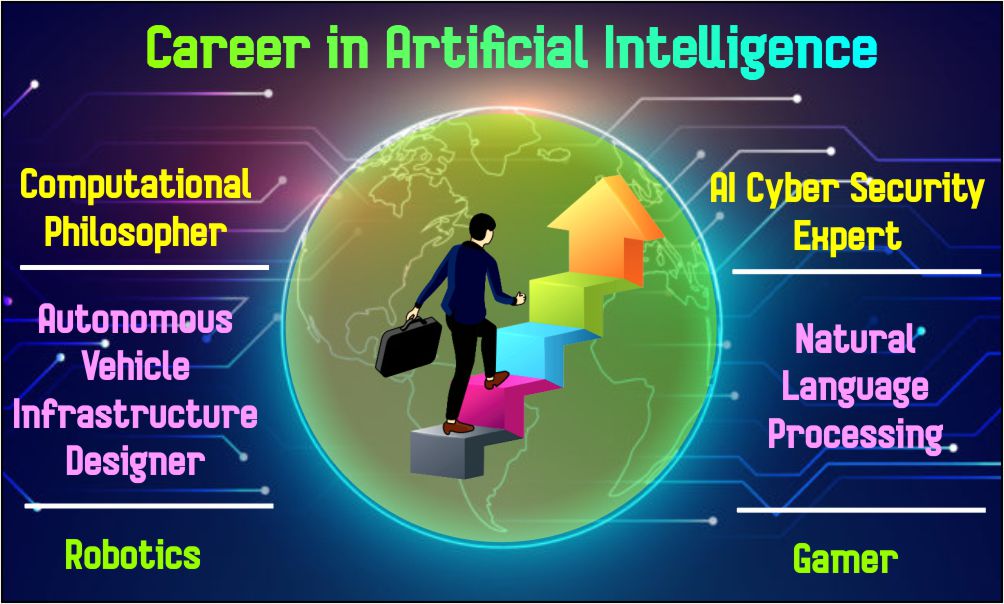
An artificial intelligence degree can open doors to a wide range of careers because AI technologies are being adopted across many different industries. Graduates are not limited to traditional technology companies. AI skills can be applied in sectors such as finance, education, entertainment, manufacturing, law, transportation, healthcare, retail, and cybersecurity.
The specific career you choose will depend on your interests, technical skills, previous experience, and the areas covered by your degree. Some graduates may focus on building intelligent systems, while others may prefer data analysis, research, consulting, robotics, or responsible AI.
AI Engineer
An AI engineer develops and implements artificial intelligence systems and applications. The role can involve programming, data preparation, model development, testing, and integrating AI technologies into existing software.
Data Scientist
Data scientists use statistics, programming, data analysis, and machine learning to identify patterns and generate insights from large datasets. AI graduates with strong analytical skills may find this career path particularly relevant.
Machine Learning Engineer
Machine learning engineers specialize in developing, training, evaluating, and deploying machine learning models. Their work often involves programming, data processing, model optimization, and integrating machine learning into real-world applications.
AI Consultant
AI consultants help organizations understand how artificial intelligence can be applied to their operations. Their work may involve identifying suitable AI applications, evaluating technology solutions, and helping organizations plan or implement AI projects.
App Developer
AI knowledge can also be useful for application developers who want to integrate intelligent features into mobile, desktop, or web applications. These features may include recommendation systems, chatbots, predictive tools, or automated data processing.
Robotics Engineer
Robotics engineers combine software, hardware, automation, and artificial intelligence to develop machines capable of sensing their environment and performing tasks. AI graduates with an interest in robotics may work on areas such as robot perception, navigation, and intelligent control.
Data Analyst and Cybersecurity Specialist
AI graduates can also explore data analysis and cybersecurity. Data analysts work with information to identify trends and support decision-making, while cybersecurity professionals can use AI and machine learning techniques to identify unusual activity and improve security systems.
AI Researcher and AI Ethicist
Graduates interested in advanced research may pursue AI research, where they investigate new algorithms, models, and applications. Another emerging area is AI ethics, which focuses on issues such as fairness, transparency, privacy, accountability, and the responsible development and use of artificial intelligence.
Salary Prospects: How Much Do AI Graduates Earn?
Salary prospects for AI graduates can vary significantly depending on location, employer, experience, qualifications, specialization, and job responsibilities. AI-related roles are often associated with strong demand for technical skills, but there is no single salary that applies to all AI professionals.
UK salary estimates for AI roles can differ considerably between sources and job titles. For example, some published estimates have placed entry-level machine learning engineering roles around £45,000 to £60,000 per year, AI research positions around £50,000 to £70,000, and AI consulting roles around £50,000 to £65,000. These figures should be treated as general examples rather than guaranteed starting salaries, as actual compensation can be higher or lower depending on the circumstances.
As professionals gain experience and develop specialized technical skills, their earning potential may change. Location, industry, company size, and responsibility level can all have a significant impact on compensation.
Why Choose a Degree in AI?

There are several reasons students choose to study artificial intelligence, but salary and job demand are not the only factors worth considering. AI is a technically challenging field that combines programming, mathematics, data, and problem-solving to address complex real-world challenges.
An AI degree can be a good fit for students who enjoy learning about technology, experimenting with new ideas, and solving problems through logical and analytical approaches. The field also requires continuous learning because AI tools, techniques, and applications are developing rapidly.
Artificial intelligence can influence important areas of society, which means there are opportunities to contribute not only to technological development but also to discussions around privacy, fairness, safety, regulation, and ethical use. For students who are genuinely interested in how intelligent technologies are built and how they should be used responsibly, an AI degree can provide a strong foundation for a long-term career in this evolving field.
Get an Online AI Degree
If you want to develop your artificial intelligence skills while maintaining your existing work, family, or personal commitments, an online AI degree can provide a flexible way to study. Online programs are available at different academic levels and can help students build knowledge in areas such as machine learning, programming, data science, and artificial intelligence.
Studying online can give you greater flexibility because you can often access course materials and complete assignments from home. This can make it easier to balance higher education with other responsibilities. Depending on the institution and course structure, online study may also reduce some costs associated with relocating or commuting to campus.
Artificial intelligence is particularly well suited to online learning because much of the subject involves programming, software, data analysis, digital tools, and computer-based projects. Students can develop practical technical skills while studying remotely and may be able to apply what they learn directly to projects or professional work.
Online AI Degree Options
Students exploring online AI programs can find courses at different levels and with different areas of specialization. For example, FutureLearn provides access to online degree programs from institutions including Brunel University of London, the University of New England, the University of Huddersfield, and Arden University.
Available programs can include master’s-level study in artificial intelligence as well as related areas such as data science. Before choosing a program, students should compare the curriculum, entry requirements, tuition fees, study duration, assessment methods, accreditation, and flexibility to find an option that matches their educational and career goals.
Frequently Asked Questions
What is an artificial intelligence degree?
An artificial intelligence degree is a university program that teaches students how to design, develop, and apply intelligent computer systems. It typically covers programming, mathematics, machine learning, data science, algorithms, and other areas of AI.
What do you study in an AI degree?
An AI degree can include subjects such as programming, computer science, data structures and algorithms, mathematics, statistics, machine learning, deep learning, natural language processing, computer vision, robotics, and data science. The exact modules vary between universities and programs.
How long does an AI degree take?
The duration depends on the qualification and study format. A full-time bachelor’s degree may take around three years in the UK, while a full-time master’s degree can often take one year. Part-time programs generally take longer.
Is an artificial intelligence degree difficult?
AI can be challenging because it combines programming, mathematics, statistics, computer science, and problem-solving. However, students can develop these skills gradually through regular study, practical projects, and consistent programming practice.
What qualifications do I need for an AI degree?
Entry requirements vary between universities. Undergraduate programs commonly expect suitable secondary-school qualifications and may require mathematics, computing, science, or related subjects. Master’s programs generally require a relevant bachelor’s degree.
Conclusion
An artificial intelligence degree can provide students with a strong foundation in programming, machine learning, data science, mathematics, and modern computing technologies. As AI continues to become part of industries such as healthcare, finance, education, cybersecurity, robotics, and software development, graduates can explore a wide range of career paths.
Choosing the right AI degree means considering the course curriculum, entry requirements, study format, tuition costs, practical opportunities, and your long-term career goals. Whether you choose an undergraduate, postgraduate, or online program, developing practical skills alongside academic knowledge can help you prepare for the evolving world of artificial intelligence.
