


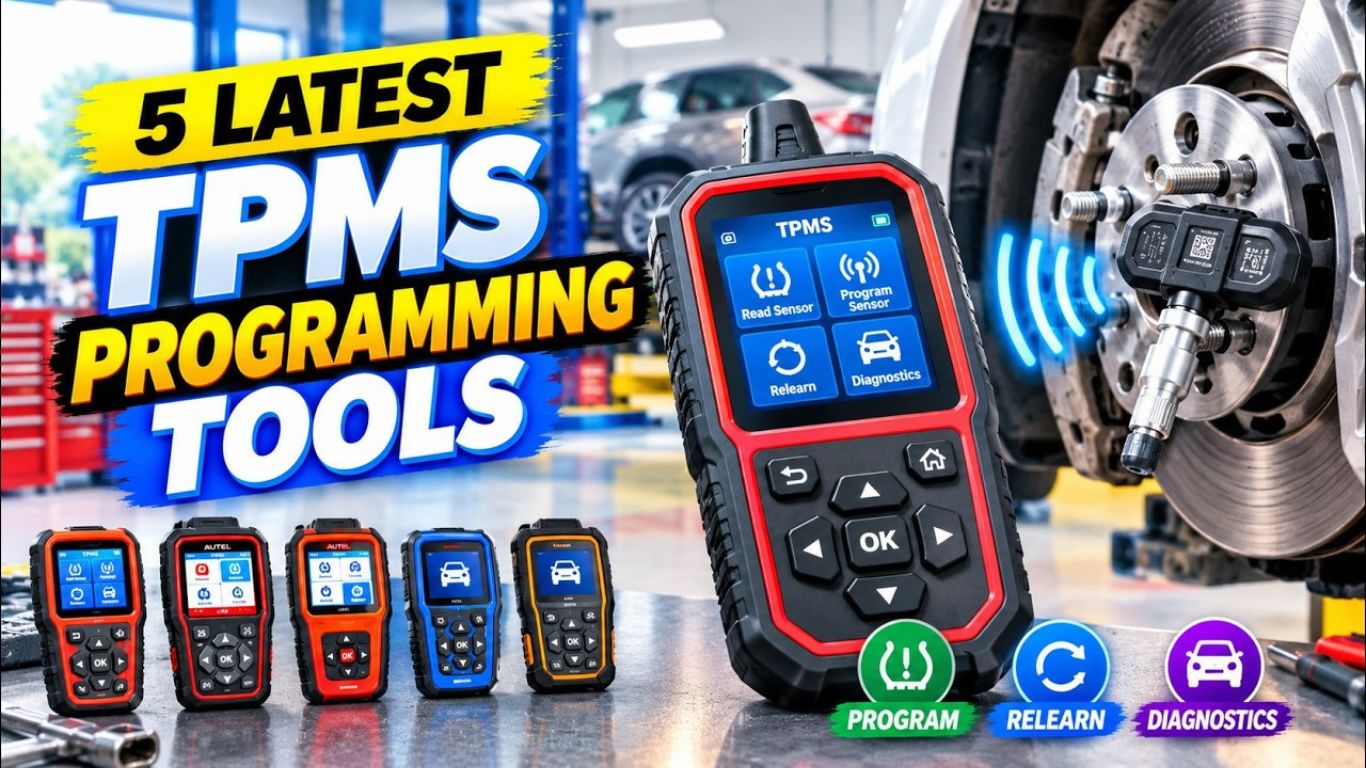
Modern vehicles rely on advanced technology to improve road safety, driving comfort, and overall performance. One of the most important automotive safety features is the Tire Pressure Monitoring System (TPMS), which alerts drivers when tire pressure falls below a certain level. However, when tire pressure sensors malfunction or require replacement, a reliable TPMS programming tool becomes essential.
Whether you are a professional mechanic, automotive workshop owner, or DIY car enthusiast, understanding how this device works can help you save time, reduce maintenance costs, and maintain vehicle safety. These tools simplify sensor programming, fault diagnosis, sensor activation, and system relearning. In this comprehensive guide, we will explore how TPMS programming tools work, their benefits, essential features, applications, and how to choose the right device for your automotive needs.
What Is a TPMS Programming Tool?
A TPMS programming tool is a specialized automotive device designed to configure compatible tire pressure monitoring sensors. Depending on its capabilities, it can also activate sensors, diagnose system faults, and perform vehicle-specific relearn procedures.
When a programmable replacement sensor is installed, it must be configured to communicate correctly with the vehicle’s tire pressure monitoring system. Advanced programming devices allow technicians to read tire pressure, monitor sensor temperature, check battery status, and identify communication problems. They can also copy existing sensor identification numbers and read or clear supported TPMS fault codes. These versatile features make the device a valuable investment for automotive repair shops, tire service centers, and vehicle maintenance professionals.
Understanding the Tire Pressure Monitoring System (TPMS)
Before learning how to use a TPMS programming device, it is important to understand the two main types of tire pressure monitoring systems used in modern vehicles.
Direct TPMS
Direct TPMS uses electronic sensors installed inside the wheels to measure tire pressure. These sensors wirelessly transmit pressure information to the vehicle’s control system, allowing drivers to receive warnings when tire pressure becomes too low. When a sensor becomes damaged or its battery fails, replacement may be necessary. Programmable replacement sensors require compatible programming equipment, while preconfigured sensors may only require a relearn procedure.
Indirect TPMS
Indirect TPMS uses data from the vehicle’s wheel speed sensors to detect changes associated with tire pressure loss. Unlike direct systems, it does not rely on dedicated tire pressure sensors inside each wheel. Indirect systems generally require calibration or resetting rather than individual sensor programming. Understanding these differences helps vehicle owners and technicians select the appropriate automotive diagnostic equipment.
Read More: Cybersecurity Salary in India 2026: Freshers & Experts
How Does a TPMS Programming Tool Work?
A tire pressure sensor programming tool communicates with compatible sensors using wireless technology. Advanced devices may also connect to the vehicle through its On-Board Diagnostics (OBD-II) port. The programming process typically involves identifying the vehicle, selecting a compatible replacement sensor, configuring its identification number and communication protocol, and completing the necessary relearn procedure.
Many modern tools support common TPMS frequencies, including 315 MHz and 433 MHz. However, compatibility depends on the vehicle, sensor manufacturer, regional specifications, and tool capabilities. Professional devices often provide on-screen instructions that make the programming process more convenient and reduce the likelihood of errors.
Key Features of a High-Quality TPMS Programming Tool
Choosing a reliable programming device requires careful consideration of its functionality, compatibility, and performance. The following features can help users identify equipment that meets their automotive maintenance requirements.
Wide Vehicle Compatibility
A high-quality TPMS programming device should support a broad range of vehicle makes, models, and manufacturing years. Extensive compatibility allows automotive technicians to service different vehicles without purchasing multiple devices. This feature is particularly beneficial for workshops that regularly handle domestic and international vehicle brands.
Sensor Programming and Cloning
Advanced TPMS tools allow users to configure compatible universal sensors and copy identification numbers from existing sensors. Sensor cloning can simplify the replacement process and may eliminate the need for additional relearning in certain vehicles. This functionality helps technicians complete sensor replacement more efficiently.
OBD-II Connectivity
OBD-II connectivity enables supported tools to communicate directly with the vehicle’s electronic systems. This feature is particularly useful for registering sensor IDs, retrieving diagnostic information, and performing supported relearn procedures. It also provides technicians with valuable information about potential system faults.
Multiple Relearn Methods
A professional TPMS programming tool should support different relearn methods, including automatic, stationary, and OBD-II relearning. Since vehicle manufacturers use different procedures, having access to multiple relearn methods improves the versatility of the device.
User-Friendly Interface
A clear display, intuitive navigation, and step-by-step instructions make sensor programming easier for beginners and experienced technicians. A well-designed interface reduces unnecessary complications and helps automotive professionals complete maintenance tasks efficiently.
Regular Software Updates
Automotive technology continues to evolve as manufacturers introduce new vehicles and electronic systems. Regular software updates help maintain compatibility with newer vehicle models, replacement sensors, and diagnostic procedures, making the tool a more valuable long-term investment.
Top Benefits of Using a TPMS Programming Tool
Investing in a reliable TPMS diagnostic tool offers several practical advantages for vehicle owners, professional mechanics, and automotive service businesses.
Improved Vehicle Safety
Correctly functioning tire pressure sensors help drivers identify underinflated tires before they contribute to serious driving problems. Maintaining proper tire inflation supports better handling, braking performance, and vehicle stability, helping reduce risks associated with incorrect tire pressure.
Reduced Maintenance Costs
Vehicle owners with compatible equipment may reduce their dependence on professional programming services. Automotive businesses can also complete more maintenance tasks in-house, potentially reducing outsourcing expenses and improving overall profitability.
Increased Fuel Efficiency
Underinflated tires increase rolling resistance, which can contribute to higher fuel consumption. A functioning tire pressure monitoring system helps drivers identify pressure problems and maintain recommended inflation levels, supporting better fuel efficiency.
Extended Tire Lifespan
Incorrect tire pressure can cause uneven tread wear and premature tire deterioration. Reliable pressure monitoring supports proper tire maintenance, reduces unnecessary wear, and helps vehicle owners protect their investment in tires.
Improved Workshop Productivity
Professional programming devices simplify sensor diagnosis, replacement, and relearning. Faster service procedures allow technicians to handle more vehicles while maintaining consistent service quality and improving customer satisfaction.
How to Use a TPMS Programming Tool
Although programming procedures vary depending on the vehicle and device, understanding the general process helps users complete sensor programming more accurately.
Identify the Vehicle and Diagnose Existing Sensors
Begin by selecting the correct vehicle manufacturer, model, manufacturing year, and regional specification on the programming device. Activate the existing sensors and review available information, including sensor identification numbers, tire pressure, and battery status. This helps determine whether sensor replacement is necessary.
Select and Program the Replacement Sensor
Choose a replacement sensor that is compatible with both the vehicle and the TPMS programming tool. Depending on the vehicle’s requirements, the device can generate a new sensor identification number or copy an existing ID. Correct programming ensures that the replacement sensor uses the appropriate communication protocol.
Install the Sensor and Perform TPMS Relearning
Once programming is complete, install the replacement sensor according to the manufacturer’s installation and torque specifications. Professional tire mounting equipment may be required. After installation, complete the appropriate vehicle-specific relearn procedure when necessary.
Verify System Performance
The final stage involves confirming that the vehicle communicates correctly with the sensors. Check the tire pressure using an accurate gauge, review available diagnostic information, and ensure the TPMS warning light operates normally. Always follow the manufacturer’s instructions throughout the process.
TPMS Programming Tool vs. TPMS Reset Tool
Many vehicle owners assume that TPMS programming tools and reset tools perform identical functions. However, these devices serve different purposes. A TPMS programming tool is designed to configure compatible replacement sensors, copy sensor identification numbers, and perform supported diagnostic procedures. Advanced models also offer OBD-II connectivity and multiple relearn functions, making them suitable for professional automotive applications.
A basic TPMS reset tool primarily assists with supported sensor activation, system resetting, and relearning. It generally cannot configure new programmable sensors or provide comprehensive diagnostic information. While a reset tool may be sufficient for basic maintenance, a programming device offers greater versatility for sensor replacement and professional automotive servicing.
How to Choose the Best TPMS Programming Tool
Selecting the best TPMS programming tool depends on your technical requirements, budget, and frequency of use. For personal use, a compact device with reliable vehicle compatibility and basic programming functions may be sufficient. Professional mechanics should consider advanced equipment with comprehensive diagnostics, OBD-II connectivity, and extensive sensor coverage.
Before purchasing, evaluate the device’s supported frequencies, sensor compatibility, relearn capabilities, software update availability, battery performance, and build quality. Manufacturer warranties and technical support are also important considerations, particularly for professional users. Avoid choosing a device based solely on price. A reliable tool with suitable functionality can deliver greater long-term value than an inexpensive device with limited compatibility or inadequate software support.
Common TPMS Programming Problems and Solutions
Even with professional equipment, users may occasionally experience programming difficulties. Understanding common problems can help technicians identify and resolve issues efficiently.
Sensor Not Detected
An incompatible frequency, depleted battery, damaged sensor, or incorrect vehicle selection can prevent sensor detection. Verify vehicle compatibility, check the selected frequency, and inspect the sensor before attempting programming again.
TPMS Warning Light Remains On
An illuminated warning light may indicate incorrect tire pressure, an incomplete relearn procedure, or a system malfunction. Check tire pressure and retrieve available diagnostic information before repeating the appropriate relearn procedure.
Sensor Programming Failure
Outdated software or unsupported replacement sensors may cause programming errors. Updating the programming device and verifying sensor compatibility can help resolve these problems. Always follow the recommended programming instructions.
Incorrect Tire Pressure Readings
Incorrect pressure readings may result from sensor damage or communication problems. Compare the displayed readings with an accurate tire pressure gauge. Persistent differences may indicate a sensor problem requiring further diagnosis or replacement.
Why Automotive Workshops Need Professional TPMS Tools
Automotive workshops regularly handle tire replacements, wheel rotations, seasonal tire changes, and sensor-related repairs. Without suitable TPMS equipment, these services can become more time-consuming and difficult to complete.
A professional TPMS programming tool enables technicians to identify faults accurately, configure compatible replacement sensors, and complete supported system relearn procedures efficiently. Offering professional TPMS services can also improve customer satisfaction, expand workshop capabilities, and create additional revenue opportunities. For automotive businesses looking to remain competitive, investing in reliable tire pressure sensor programming equipment is a practical decision that supports long-term operational efficiency.
Frequently Asked Questions
Can I Program TPMS Sensors Myself?
Yes, compatible programmable sensors can be configured using suitable equipment. However, sensor installation and certain relearn procedures may require professional assistance and specialized tire mounting equipment.
Can One TPMS Programming Tool Work on All Vehicles?
No. Although universal TPMS tools support numerous vehicles, compatibility varies according to manufacturer, model, manufacturing year, sensor type, and communication protocol.
Do New TPMS Sensors Need Programming?
Programmable universal sensors generally require configuration before use. Preconfigured original equipment or direct-fit sensors may only require a vehicle-specific relearn procedure.
Can a TPMS Tool Fix a Dead Sensor Battery?
No. Most TPMS sensors have sealed batteries that cannot be replaced separately. When the battery becomes depleted, replacing the entire sensor is generally necessary.
Is a TPMS Programming Tool Worth Buying?
A TPMS programming device is a valuable investment for automotive professionals and individuals who frequently perform tire maintenance. Its overall value depends on vehicle compatibility, available features, and frequency of use.
Conclusion
A TPMS programming tool is an essential piece of automotive equipment for diagnosing, programming, and maintaining modern tire pressure monitoring systems. From configuring replacement sensors to performing advanced diagnostic procedures, these devices simplify tire maintenance and support vehicle safety. Whether you operate a professional automotive workshop or maintain your own vehicle, investing in a reliable TPMS tool can help reduce service costs, improve efficiency, and maintain accurate tire pressure monitoring.
By choosing a device with extensive vehicle compatibility, dependable programming capabilities, regular software updates, and user-friendly features, you can achieve better maintenance results and long-term value. As automotive technology continues to advance, professional TPMS programming equipment will remain an important part of modern vehicle servicing.
